
Insights
F E A T U R E D A R T I C L E

In today's competitive landscape, businesses are constantly striving to provide exceptional customer experiences. While technology plays a crucial role in streamlining processes and enhancing customer interactions, it is the human element that truly drives the quality of the customer journey. Employees, the face of a company, are the ones with a key position…
Tangible insights for endless creation. Written by our in-house specialists.
We publish for platforms like:


I Sustainability

In a world challenged by dwindling resources, the concept of 'mining above the ground' emerges as a solution for a sustainable future. This paradigm shift sees resource scarcity as an opportunity for innovation rather than a roadblock. By embracing practices like urban harvesting and circular economy models, we're carving a path toward a more resource-abundant world. Gandhi's wisdom, 'The earth provides for needs, not greed,' serves as a powerful reminder of our planet's untapped potential.

With the world at a critical juncture, the importance of sustainable practices has soared. While consumer awareness of environmental impact grows, sustainable options still face challenges like higher prices, limited accessibility, unattractive branding, and ingrained habits. In this post, we'll explore practical solutions to make sustainable choices the preferred option for customers.

In today's fast-paced and interconnected world, innovation has become the lifeblood of organizations across industries. However, many innovations fail to deliver their promised impact due to a critical flaw: the lack of aligning key stakeholders around a single idea.

Much is said in the corporate world about customer-centricity: It is an approach that focuses on user needs, desires and limitations to generate innovative solutions. Delivering solutions based on the mindset of the customer became very popular among business managers at the beginning of the 21st century.

14 associates from Forbes Business Council share their insight into how a business can achieve sustainability, and explain why the factors they mention are so crucial to this goal.
I Generative AI

This article rises the question about how we’re using AI today. Not focusing on the productive or effective part of it, but on the philisophical or ethical part of it. As our role of industry leaders we should be talking about this. Read more

The healthcare industry has always been at the forefront of technological advancements, with the promise of better healthcare outcomes and increased accessibility. However, the misuse of technology in healthcare has been a growing concern, particularly with the over-reliance on chatbots and virtual assistants to diagnose medical conditions.

I Healthcare
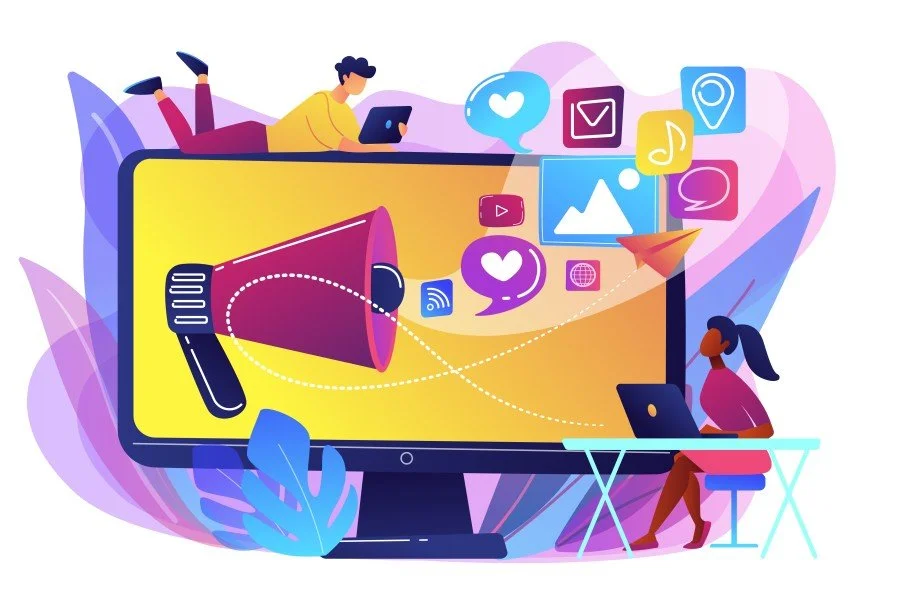
The digital age has transformed pharmaceutical marketing in Mexico, with social media becoming an invaluable tool. Healthcare professionals embrace digital trends, relying on blogs and social media for information and communication. The rise of Community Opinion Leaders (COLs) has reshaped the industry. Pharmaceutical brands must adapt, utilizing authentic and accessible social media strategies to connect with audiences.
The healthcare industry has always been at the forefront of technological advancements, with the promise of better healthcare outcomes and increased accessibility. However, the misuse of technology in healthcare has been a growing concern, particularly with the over-reliance on chatbots and virtual assistants to diagnose medical conditions.
Innovation and care have always been a difficult combination. The complex ecosystem of hospitals, general practitioners, health apps, therapists, healthcare institutions, pharmacists and health insurers makes the adoption of new services and business models viscous.

A quick exploration of a new health landscape with industry experts. Culminating two weeks of emphasis on the health sector, we welcomed numerous innovators from the health sector to discuss health innovation in a ‘TogetherApart economy’.

While entire industries like tourism are on hold, Pharma, Mental Health, and e-health are booming and breaking old paradigms such as the acceleration of Telehealth. These shifts are shaping what every company calls the new normal.
Designing, testing and scaling up new solutions must be done faster than ever before, all reasons for using the innovation lab to the maximum. But it will have to be an innovation lab 2.0, because the non-commitment that was present in some labs will disappear permanently.
I Social Design
In today's fast-paced and interconnected world, innovation has become the lifeblood of organizations across industries. However, many innovations fail to deliver their promised impact due to a critical flaw: the lack of aligning key stakeholders around a single idea.
Much is said in the corporate world about customer-centricity: It is an approach that focuses on user needs, desires and limitations to generate innovative solutions. Delivering solutions based on the mindset of the customer became very popular among business managers at the beginning of the 21st century.

Global warming has already transformed life beyond recognition, and businesses must be aware of their contribution to climate change and take action. If you think this might be difficult, here are some simple steps to start.
Converting products into services has been a successful strategy pursued not only by software companies but also by direct-to-consumer (D2C) brands like Dollar Shave Club.
I Mobility

With the advent of zero emission zones in urban areas, city logistics are being reimagined by innovators. In this blogpost we describe 4 trends and innovation opportunities for the near future.
Global warming has already transformed life beyond recognition, and businesses must be aware of their contribution to climate change and take action. If you think this might be difficult, here are some simple steps to start.

Listen to the second episode of Coffee & Innovation Talks, with our special guest Alexander Goos, Business Creation Officer at EIT InnoEnergy.
Designing, testing and scaling up new solutions must be done faster than ever before, all reasons for using the innovation lab to the maximum. But it will have to be an innovation lab 2.0, because the non-commitment that was present in some labs will disappear permanently.
I Innovation
In today's competitive landscape, businesses are constantly striving to provide exceptional customer experiences. While technology plays a crucial role in streamlining processes and enhancing customer interactions, it is the human element that truly drives the quality of the customer journey. Employees, the face of a company, are the ones with a key position…
In a world challenged by dwindling resources, the concept of 'mining above the ground' emerges as a solution for a sustainable future. This paradigm shift sees resource scarcity as an opportunity for innovation rather than a roadblock. By embracing practices like urban harvesting and circular economy models, we're carving a path toward a more resource-abundant world. Gandhi's wisdom, 'The earth provides for needs, not greed,' serves as a powerful reminder of our planet's untapped potential.
In today's fast-paced and interconnected world, innovation has become the lifeblood of organizations across industries. However, many innovations fail to deliver their promised impact due to a critical flaw: the lack of aligning key stakeholders around a single idea.

As a product manager, you have probably spent a number of working hours thinking about the development of your product and all the features attached to it. But have you ever considered that from a customer perspective, every interaction with a brand is perceived as an experience?
Much is said in the corporate world about customer-centricity: It is an approach that focuses on user needs, desires and limitations to generate innovative solutions. Delivering solutions based on the mindset of the customer became very popular among business managers at the beginning of the 21st century.

For 2022 and beyond, I see five types of startups to watch for in 2022. Having already gone in-depth into the triple p startup and underdog types of startups in my last article, I would now like to define the hyper-convenient startup, the self-service-as-a-service startup and the ethical tech startup.

Startups that align a higher purpose with their new services have the potential to thrive. We are already seeing signs of this new breed of innovators: conscious, inclusive, empowered by and empowering with tech. For 2022 and beyond, we have defined five types of startups to watch.
One of the most important pieces of any company's sales process is the customer experience. 13 experts from Forbes Business Council shared insights on the top strategic ways to critically look at customer experience.
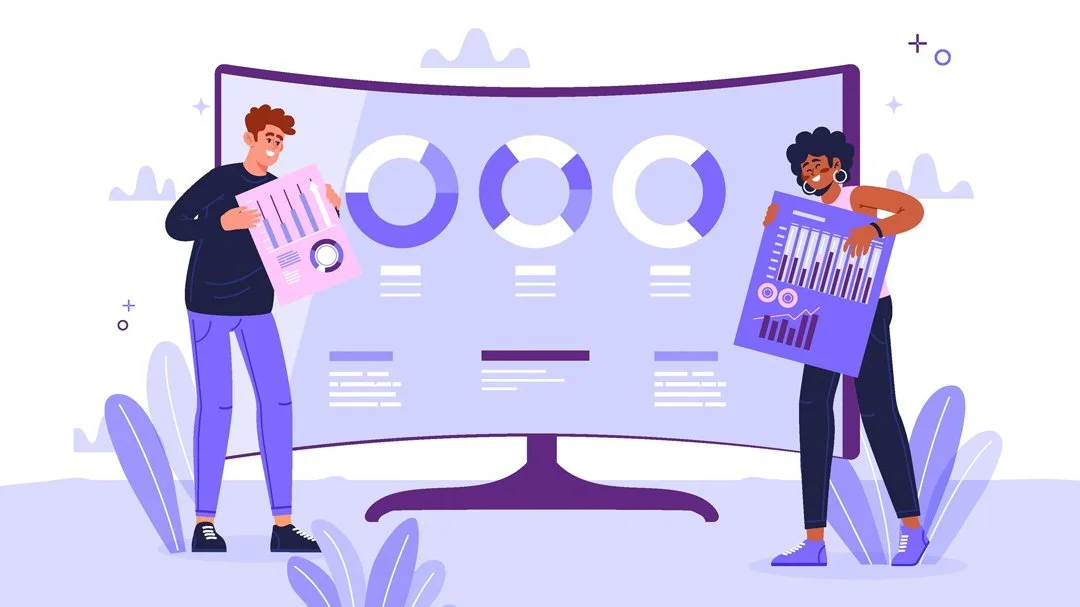
While big data can tell a lot about "what" is happening, it has big shortcomings in telling you "why" things are happening. And that latter question is exactly the one fundamental for innovation.

The members of Forbes Business Council share 15 things leaders should do when considering launching their next venture in a new industry. Follow these steps to prepare your new startup for success.
Global warming has already transformed life beyond recognition, and businesses must be aware of their contribution to climate change and take action. If you think this might be difficult, here are some simple steps to start.
Converting products into services has been a successful strategy pursued not only by software companies but also by direct-to-consumer (D2C) brands like Dollar Shave Club.
14 associates from Forbes Business Council share their insight into how a business can achieve sustainability, and explain why the factors they mention are so crucial to this goal.
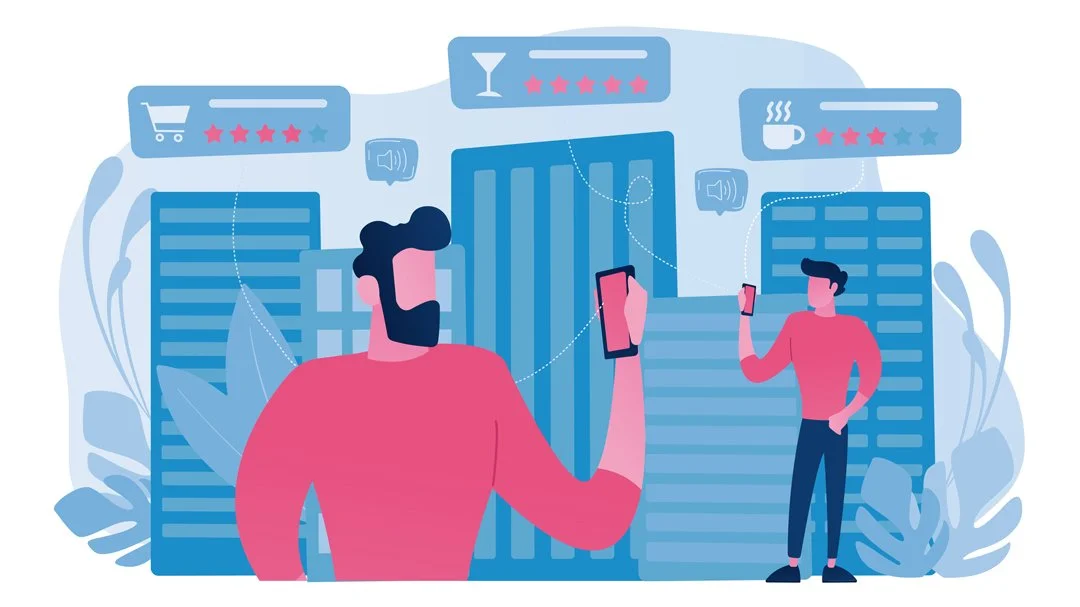
By overriding middle-man, service agents and wholesale chains, Direct-to-Consumer (D2C) brands have opened a new path for online success, through delivering products from the source, right to the hands of the consumer. Consumer spending online has also gone up exponentially with the spread of coronavirus…

The most obvious aspect of the post-pandemic superhero is the digital lifestyle, as the online customer base grows and Gen Z is more open-minded to purely digital platforms. Learn about routines of the new consumer, in which it’s digital that keeps things interesting.

The most obvious aspect of the post-pandemic superhero is the digital lifestyle, as the online customer base grows and Gen Z is more open-minded to purely digital platforms. Learn about routines of the new consumer, in which it’s digital that keeps things interesting.

The most obvious aspect of the post-pandemic superhero is the digital lifestyle, as the online customer base grows and Gen Z is more open-minded to purely digital platforms. Learn about routines of the new consumer, in which it’s digital that keeps things interesting.

We spend more time behind screens than ever before, especially in a socially-distanced world, where services are digital-first. Learn about blended services and how can they help in delivering human empathy on the digital layer.
Sales has gotten an entirely new dimension in 2020. With physical contact limited to 1,5 meters or retail shops closed, companies better have a Plan B. Early adopters have successfully adopted innovative strategies.
Innovation and care have always been a difficult combination. The complex ecosystem of hospitals, general practitioners, health apps, therapists, healthcare institutions, pharmacists and health insurers makes the adoption of new services and business models viscous.
I Marketing
La creación e implementación de una estrategia de marketing medible para la industria automotriz es un proceso complejo y de largo plazo. La comprensión profunda de cómo los diferentes puntos de contacto influyen en la decisión de compra de un vehículo puede significar la diferencia entre una campaña exitosa y una inversión desperdiciada.

The Metaverse's Extended Reality is transforming how users and brands interact, blurring the lines between the physical and digital worlds. With the rising preference for digital interactions and immersive experiences, it's reshaping customer engagement, innovation, and ethical considerations. Embracing this shift is no longer optional—it's essential.

In the ever-evolving landscape of marketing, a paradigm shift is underway. The traditional approach of using demographics as a basis for understanding consumer behavior is giving way to a more sophisticated method—the use of need-based personas. The reason behind this shift is simple yet profound: demographics often fall short as predictors of behavior, brand preference, and buying habits.
The digital age has transformed pharmaceutical marketing in Mexico, with social media becoming an invaluable tool. Healthcare professionals embrace digital trends, relying on blogs and social media for information and communication. The rise of Community Opinion Leaders (COLs) has reshaped the industry. Pharmaceutical brands must adapt, utilizing authentic and accessible social media strategies to connect with audiences.
While big data can tell a lot about "what" is happening, it has big shortcomings in telling you "why" things are happening. And that latter question is exactly the one fundamental for innovation.
By overriding middle-man, service agents and wholesale chains, Direct-to-Consumer (D2C) brands have opened a new path for online success, through delivering products from the source, right to the hands of the consumer. Consumer spending online has also gone up exponentially with the spread of coronavirus…
The most obvious aspect of the post-pandemic superhero is the digital lifestyle, as the online customer base grows and Gen Z is more open-minded to purely digital platforms. Learn about routines of the new consumer, in which it’s digital that keeps things interesting.
Get to know the secrets behind a car company that doesn’t sell cars, a telehealth company that disrupts women’s health and a 1 billion large community that is also a concert place and a videogame.
Join our FutureForward Quarterly!
Be the first to know everything about the latest trends, innovation reports, marketing tips and tricks and what we are up to!
Global warming has already transformed life beyond recognition, and businesses must be aware of their contribution to climate change and take action. If you think this might be difficult, here are some simple steps to start.